
Thymoma (Thymus Gland Tumor)
Safe surgical solutions for your health with accurate diagnosis, safe intervention! NY Health is always ready with its professional team.
- Liver Cancer
- Lymphoma Cancer
- Leukemia
- Bladder Cancer
- Stomach Cancer
- Myelofibrosis
- Multiple Myeloma
- Nasopharyngeal Cancer
- Esophageal Cancer
- Pancreatic Cancer
- Penis Cancer
- Prostate Cancer
- Uterine Cancer
- Testicular Cancer
- Thymoma Tumor
- Thyroid Cancer
- Urethna Cancer
- Mouth Cancer
- Lung Cancer
- Bowel (Colon) Cancer
- Kidney Cancer
- Skin Cancer
- Tongue Cancer
- Early Stage Breast Cancer
- Larynx Cancer
More information
Feel free to contact us for more information or support with your questions. We will be happy to help you.
Get in touch!Customer Service
+90 532 100 66 78
NY Health
TIMOMA TUMOR
Thymoma (Thymus Gland Tumor)
This tumor, which develops silently in the chest cavity, can be successfully treated with early diagnosis
Thymoma is a tumor of the thymus, an organ located behind the breastbone and associated with the immune system. is a tumor that develops in the gland and is usually benign or has a slow course. Although it can be seen at any age, it is most common in It is diagnosed between the ages of 40 and 60. Thymomas can rarely spread rapidly and sometimes may be associated with autoimmune diseases such as myasthenia gravis.
Symptoms of Thymoma
Thymomas are often detected asymptomatically by chance on chest CT scans. Symptoms If there are any, they usually depend on the size of the tumor and the pressure it puts on the surrounding tissues:
Chest pain
Cough
Shortness of breath
Difficulty swallowing
Hoarseness (due to nerve pressure)
Swelling in the neck or face area
Muscle weakness and fatigue (especially if associated with myasthenia gravis )
The Relationship Between Thymoma and Myasthenia Gravis
Approximately 30% of thymoma patients have myasthenia gravis (an immune disorder characterized by muscle weakness). disease) is seen. Therefore, neurological evaluation is also performed when the diagnosis is made.
Diagnosis Process
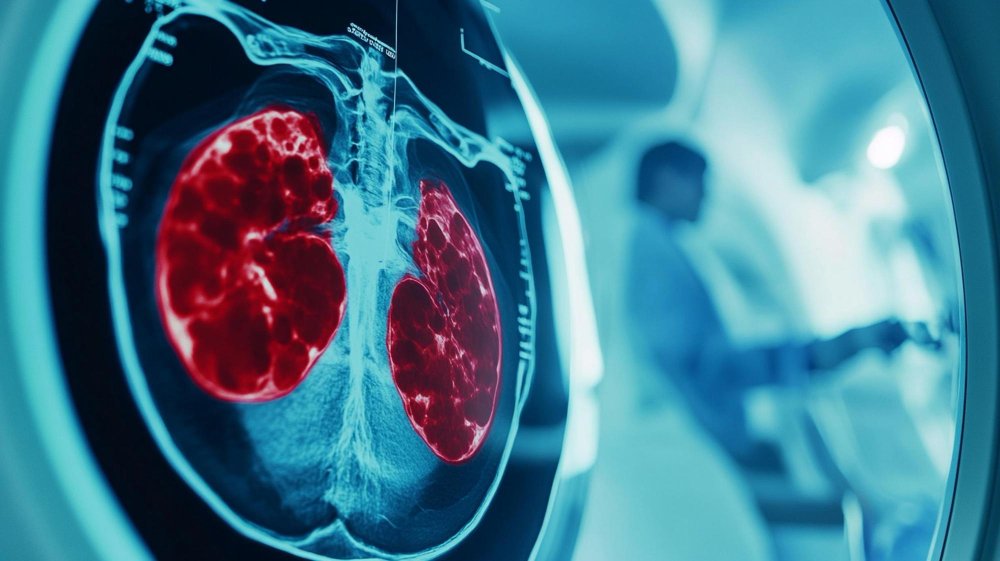
- Chest CT (computed tomography): The presence of a mass in the thymus region, its size and relationship with adjacent tissues are evaluated
-MR imaging: Provides detailed information for vascular structure relationship
-PET-CT: Evaluation of metastasis and tumor activity
- Blood tests: Antibody levels for autoimmune diseases
- Biopsy: In some cases it may be necessary for tissue diagnosis; however, it is usually surgically removed and pathologically evaluated
Thymoma Classification
According to WHO classification, thymomas are divided into subtypes such as A, AB, B1, B2, B3 and thymic carcinoma.
Masaoka-Koga staging is also used according to the degree of invasion.
- Stage I-II: Localized and usually limited within the capsule
- Stage III-IV: May spread to neighboring organs or distant sites
Treatment Methods
Surgery (Thymus Gland Surgery - Thymoectomy)
- It is the main treatment and usually the entire tumor is removed together with its capsule
- Open surgery or robotic/video-assisted thoracoscopic surgery (VATS)
- If there is tumor invasion, it is removed together with the surrounding tissues
Radiotherapy
- It is applied in risky situations after surgery or in tumors that cannot be completely removed
Chemotherapy
- Used in advanced (III-IV) or aggressive tumor types such as thymic carcinoma
Immunosuppressive Therapies
- Patient-specific planning in autoimmune conditions such as concomitant myasthenia gravis
Process Management Suitable for Health Tourism Process Management Suitable for Health Tourism
- - Remote pre-assessment with your chest CT and reports
- - Minimally invasive or robotic surgery planning in appropriate hospitals
- - Radiation oncology and neurology consultation if necessary
- - Transfer, accommodation and escort services
- - Remote control and support system in the follow-up process
Thymoma is usually a slowly progressing tumor that can be successfully treated with surgery.
Any mass detected in the chest cavity should be evaluated in a timely manner. You can contact us for your diagnosis and treatment process.